Vava'u sits inside the South Pacific Convergence Zone's southern edge, which means the calendar splits cleanly into a dry, windy season and a wet, calmer one. Neither is bad. Each suits a different kind of trip. This guide works through the months as a sailor and a swimmer would read them, not as a brochure would.
The dry season: May to October
This is the default answer for most visitors, and for good reason. From May through October, southeast trade winds blow at a steady 10 to 20 knots on most days, humidity drops, and rainfall across the group averages well under 100mm a month. Daytime temperatures sit between 22 and 27 degrees Celsius, cooler at night, enough that a light jacket on deck after sunset is not overkill. This is also cyclone-free territory for practical purposes: the official Tonga cyclone season runs November to April, and insurers and charter operators plan around that boundary, not around calendar neatness.
For sailing, steady trades mean reliable passages between anchorages, predictable reefing, and fewer days lost to squalls. If you are building out a route, the week-by-week logic in the anchorage-by-anchorage sailing week assumes exactly this kind of wind pattern.
Whale season: July to October
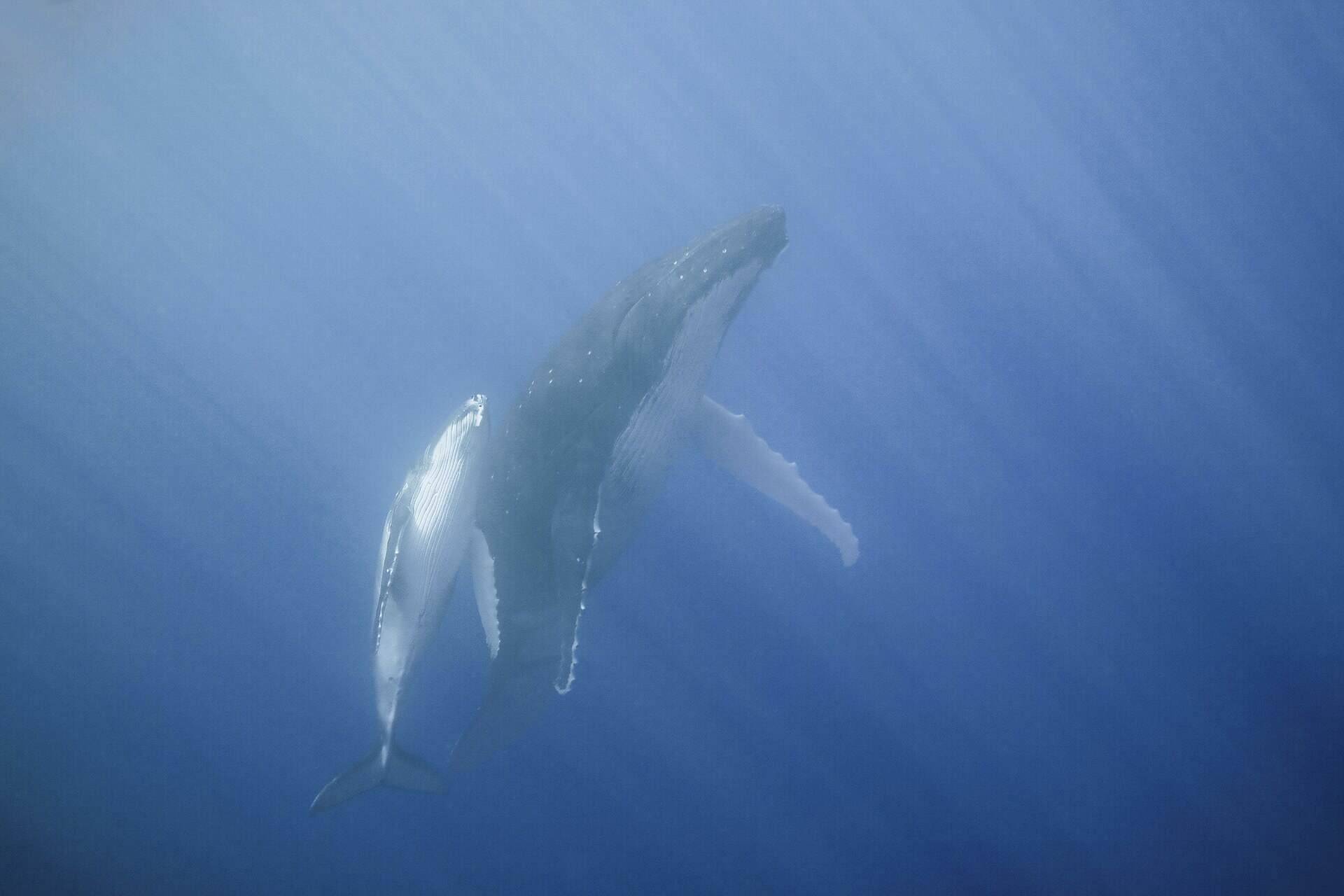
Humpback whales arrive in Vava'u's sheltered waters from roughly late June, with numbers building through August and peaking in September, then tapering by late October as mothers and calves head back toward Antarctic feeding grounds. This is not a guess dressed up as fact: it reflects the pattern local operators plan their entire season around, though exact arrival and departure dates shift a little year to year with ocean conditions. If swimming with whales is the reason for the trip, August and September give the widest window and the best odds of an actual in-water encounter, not just a boat trip with a good story. The practical side of what an encounter involves, including the rules that govern how close you get, is covered in swimming with whales in Vava'u, and the operator-side questions worth asking before you book are in choosing a Vava'u whale boat.
Best overall sailing conditions: July to September. Best whale odds: August to September. Cheapest and quietest: February to April, but pack for rain and keep an eye on the forecast during cyclone season.
The wet season: November to April
This half of the year is warmer (28 to 31 degrees Celsius is common), wetter, and more humid, with rainfall that can exceed 250mm in the heaviest months, typically January through March. Winds are lighter and more variable, sometimes dropping to near calm for days at a time, which actually suits snorkelling and cave visits better than it suits passage-making under sail. The trade-off is cyclone risk: Tonga sits within an active basin, and while direct hits on Vava'u specifically are not annual events, the risk is real enough that boats are often laid up or insurance terms tighten through this stretch. Anyone chartering in this window should check current marine forecasts daily, not just on arrival.
If calm water and fewer boats matter more to you than wind for sailing, this season also makes a strong case for the caves and grottos that depend on still conditions to be worth entering. The specifics of timing that outing well are in the caves day, done right.
Shoulder months: May, June and late October
These edges of the dry season tend to be overlooked, and that is partly the point. May and June carry dry-season winds without the peak-season crowding of August, and prices on charters and rooms are typically softer. Late October still has a reasonable chance of whale sightings as stragglers linger, combined with calmer water as the trades begin to ease toward the wet season transition. If your priority is value and elbow room rather than guaranteed whale encounters, these windows are worth building a trip around, whether you are staying in Neiafu or the outer islands or basing out on a quieter stretch of coast.
Matching weather to what you actually want
A useful way to decide is to work backward from the activity rather than forward from a generic "best month" answer. Wanting steady wind for a bareboat charter points toward July through September. Wanting whale encounters narrows that further to August and September specifically. Wanting lower prices and thinner crowds points toward the shoulder months or even February to April, accepting the rain and the need to watch tropical system forecasts. Wanting the full cultural rhythm, including Sunday closures and village feasts, matters less by month and more by which days you are there: that side of planning is covered in Tongan culture for guests in Vava'u.
None of these windows are absolute. Vava'u's weather is a pattern, not a guarantee, and the whale is in charge of its own calendar regardless of what the brochures print. Build some slack into the itinerary, check the forecast the morning of, and let the season you chose do the work it is actually good at.