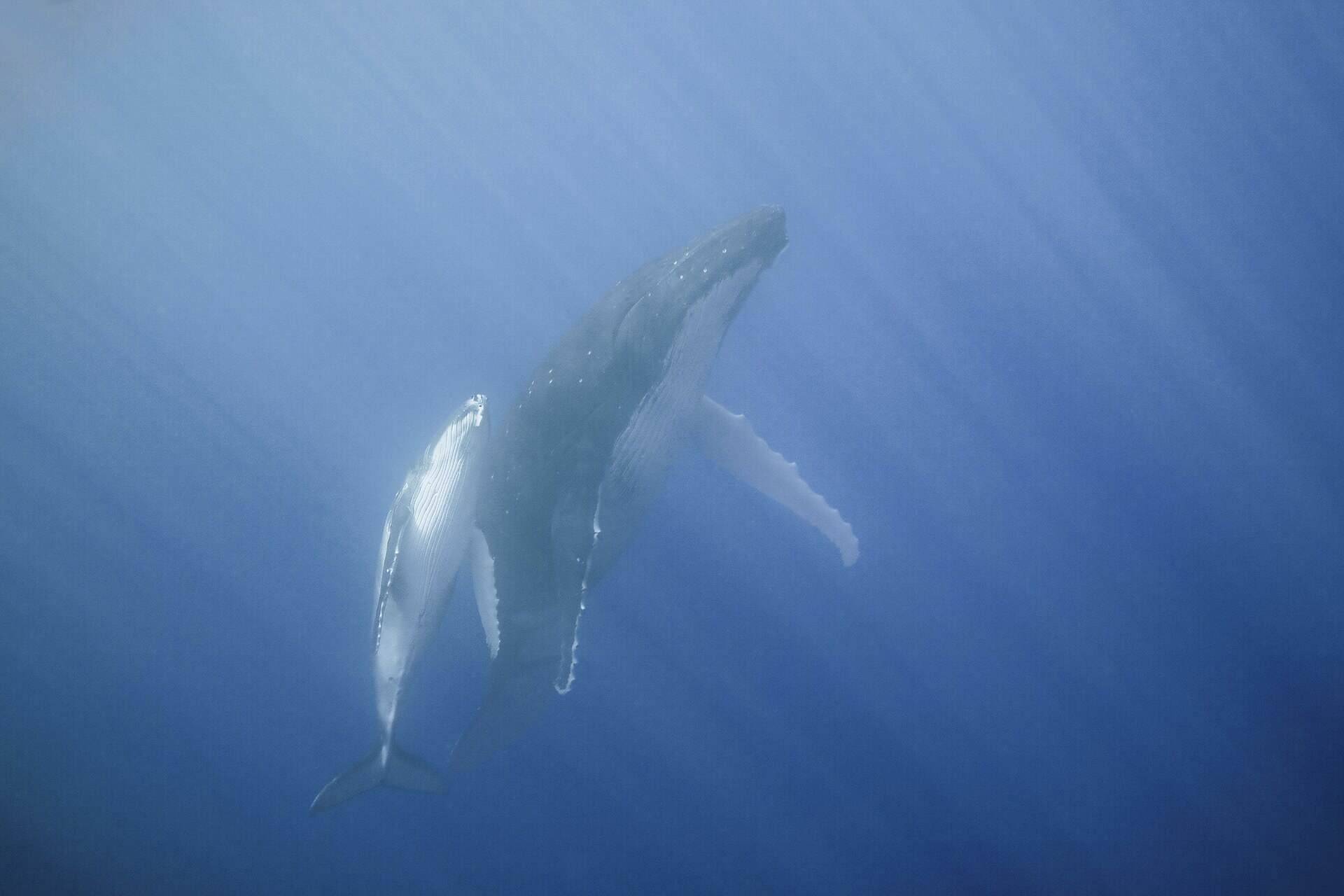
Vava'u's harbour front fills with whale-swim signboards every winter, and from a distance the offers look identical: a boat, a guide, a chance to slip into the water near a humpback. Up close, the differences matter more than the brochures suggest. The whale sets the terms here, not the operator, and the best boats are run by people who have internalised that order of priority. Booking well in Vava'u is less about finding the cheapest seat and more about finding the crew that will turn the engine off and wait.
Is the operator actually licensed for this season
Tonga's Ministry of Fisheries issues whale-watching and whale-swimming permits annually, and the list of licensed boats changes slightly each year as operators drop out or new ones apply. Ask directly: "do you hold a current swim permit for this season?" A straight answer with a permit number or visible certificate on the office wall is a good sign. Hesitation, or a pivot to "we've been doing this for years," is not proof of anything current. Licensing caps the number of boats allowed to swim with a single whale group at any one time, usually to two or three, which is the whole point of the system: it limits pressure on an animal that did not ask to be photographed.
How many swimmers go in per group
The regulation in Vava'u typically limits in-water swimmer groups to four people plus one guide, rotating if the boat carries more passengers than that. Confirm this before paying a deposit. A boat advertising eight or ten swimmers heading toward the same whale at once is either stretching the rules or not applying them. Smaller swim groups also mean more time in the water per person across a full day, since groups rotate rather than crowd the surface together.
What does a typical day actually involve
Expect a 7:30 or 8:00am departure from Neiafu harbour, a safety briefing covering fins, snorkel fit and in-water conduct, and then open-water searching that can take anywhere from twenty minutes to two hours depending on how the whales are moving that week. Some days deliver three or four swim opportunities; other days, especially outside the August to October peak, deliver one good encounter or none at all. A reputable crew will say this plainly rather than promising guaranteed swims, because no one can promise wildlife behaviour. Most trips return to harbour between 1:00 and 3:00pm.
Whale swimming runs roughly July through October, with August and September the most reliable window for mother-and-calf encounters. Early July and late October trips happen but sightings thin out at the edges of the season, so ask the operator what their success rate looked like in the past two weeks, not the past two years.
What is actually included in the price
Day rates in Vava'u for whale swimming generally sit between 250 and 400 Tongan pa'anga per person, which converts to roughly 100 to 165 US dollars depending on the exchange rate on the day. Confirm whether this includes snorkel gear and wetsuit rental, a packed lunch, and the conservation or permit fee that some operators add separately at the dock. A quoted price that excludes gear rental can add another 20 to 30 pa'anga, which matters if you are booking for a family rather than a solo traveller.
How does the crew behave around a resting whale
This is the question most travellers forget to ask and the one that matters most. A humpback cow with a calf needs to rest between nursing sessions, and a boat that circles repeatedly, blocks the whale's path to open water, or sends swimmers in when the animal shows clear avoidance (diving early, tail-slapping, moving away steadily) is not following good practice regardless of what the permit says. Ask how the guide decides when to call swimmers back into the boat. The honest answer involves watching the whale's behaviour, not the clock or the number of unused swim slots left for the day.
Group size on the boat itself
Separate from in-water swim groups, consider how many total passengers share the vessel. Boats running eight to twelve passengers tend to offer more individual water time than those running sixteen or more, simply because rotation takes longer with bigger numbers. If you book through a dive shop or guesthouse rather than directly, ask which specific boat and how many total passengers are confirmed for that date, since some agents resell seats across several vessels without specifying which one you will join.
What to bring and what not to expect
Bring a rash guard even if a wetsuit is provided, reef-safe sunscreen applied well before boarding, and motion sickness tablets if you are prone to seasickness, since search time on open water can run long on slow days. Do not expect a photograph-perfect close encounter on every trip. The whale decides the distance, the duration and whether it wants an audience at all, and any operator who overpromises on this point is telling you more about their sales approach than about Tongan humpbacks.