Vava'u is a lagoon more than an archipelago: around fifty islands folded into roughly 20 nautical miles of sheltered water, with depths that rarely trouble a keel and bays close enough together that a slow week under sail seldom means more than two hours between anchorages. This is the quality that keeps charter skippers coming back season after season: you can let a whale sighting, the wind, or a decent snorkel decide the day's plan, because the next bay is never far. What follows is one honest version of that week, anchorage by anchorage, with the practicalities a first-time charterer actually needs.
A basin built for anchoring, not passage making
Most of Vava'u's anchorages sit in 10 to 25 metres of water over sand, coral rubble or a mix of both, and the group's enclosed geography means long ocean swell rarely reaches inside the reef line. Neiafu, at the head of Port of Refuge, is the operational hub: fuel, provisioning and the charter bases cluster here, and most itineraries start and end on a harbour mooring. From Neiafu the cruising ground fans out south and east toward Pangaimotu, Vaka'eitu and the Kenutu group, with the furthest anchorages roughly 12 to 15 nautical miles away, a half-day's sail at most. Navigation is largely by eye in good light: coral bommies show as darker patches, and most charter companies issue a laminated chartlet marking the moorings they maintain.
The anchorage-by-anchorage week
A standard seven-day bareboat or skippered charter tends to settle into a rhythm close to this, though the order shifts with wind and whale reports.
Day 1: pick up the boat in Neiafu by early afternoon, provision at the town's market and supermarkets, and stay on a harbour mooring overnight rather than rushing out in fading light.
Day 2: sail 5 to 6 nautical miles south toward the Euakafa or Swallows area, roughly 90 minutes under sail, and anchor off a white sand beach with good snorkeling on the fringing reef.
Day 3: a short 4-nautical-mile hop to the Vaka'eitu or Nuku group, where several bays sit close enough to shift anchorage mid-afternoon if the wind backs.
Day 4: push east toward Kenutu, the most exposed anchorage in the group. Check the day's forecast before committing: in a fresh southeast trade this coast can be uncomfortable, and a west-facing alternative is worth keeping in reserve.
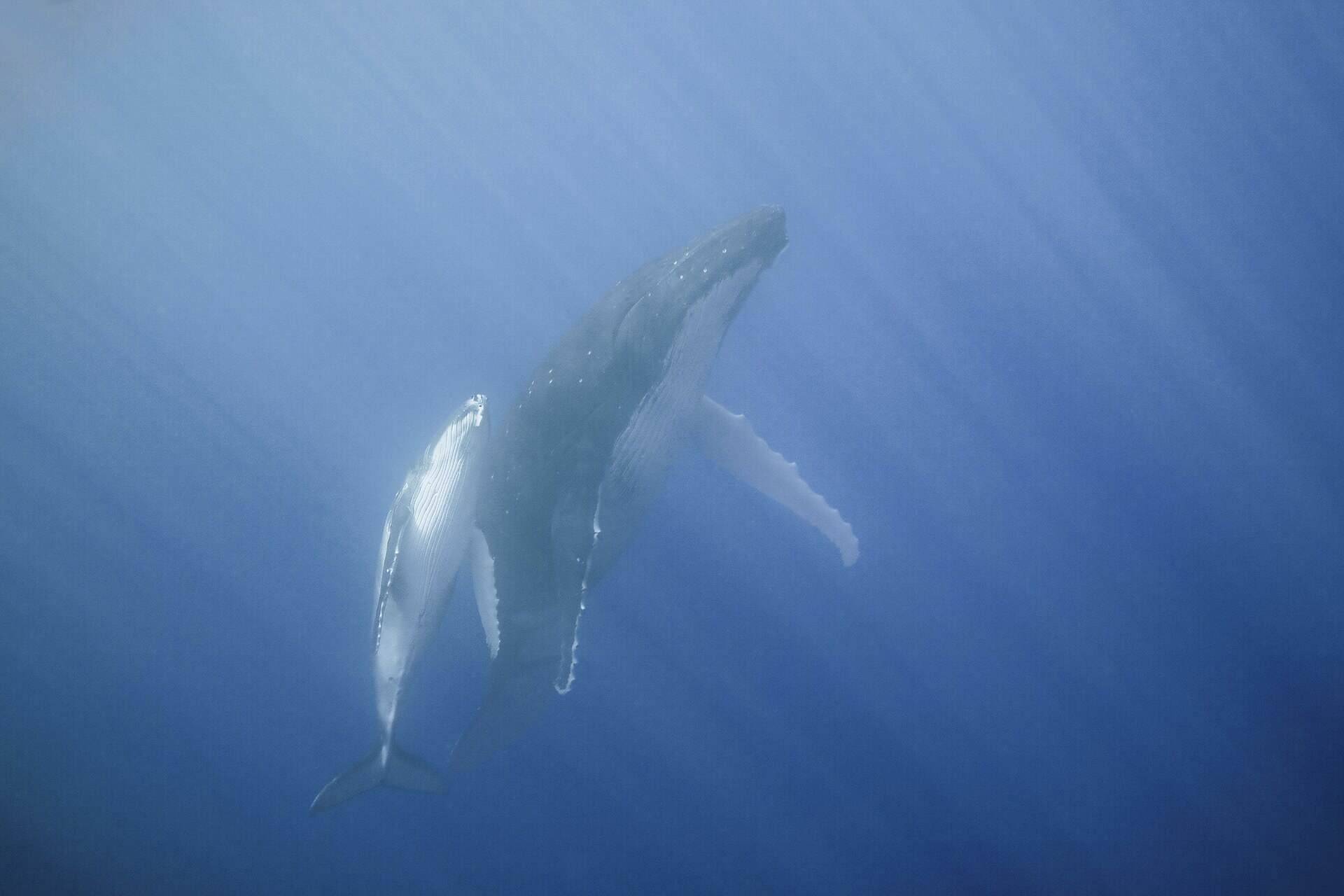
Day 5: run back west, around 6 nautical miles, toward Ovaka or Mounu, both within the zone where licensed operators run whale encounters roughly between June and November.
Day 6: a short 2-nautical-mile hop toward the cave anchorages, which need calm conditions and a flat swell to enter safely by dinghy or snorkel.
Day 7: return to Neiafu by late morning to refuel and hand back the boat before the base's afternoon deadline.
Moorings, fees and the VHF habit
A local mooring programme maintains tagged buoys at the most popular anchorages, and picking one up is generally preferred over anchoring on coral. Fees run in the region of 10 to 15 Tongan pa'anga a night, usually collected by a dinghy crew or settled at the charter base on return, so keep small notes aboard. Where no mooring is free, anchoring is accepted provided the rode is let out well clear of visible bommies. VHF channel 16 is the working channel for hailing other yachts, the charter base and the handful of cave or whale-swim operators who ask boats to call ahead before entering a narrow anchorage.
Pick up a mooring before dusk rather than hunting for one after dark. Carry a boat hook and small-denomination pa'anga for the overnight fee, and confirm with your charter base whether fees are included in the contract.
Wind, swell and the whale calendar
Vava'u's charter season runs essentially May through October, the dry season, when the southeast trade blows a steady 10 to 20 knots and the eastern anchorages take the brunt of it. When the trade pushes past 20 knots, shift toward west-facing bays around Neiafu, Pangaimotu or the Vaka'eitu group rather than holding an exposed eastern mooring overnight. Whale season overlaps the back half of the charter calendar, roughly June to November, and swim-with-whale trips run as a separate permitted activity alongside the regular cruising plan, not as part of the boat hire itself. From December through April, cyclone risk is real enough that most charter fleets lay up or relocate, and this is not a season to plan an independent anchorage-hopping week.
Provisioning and the boat you choose
Neiafu covers the basics: supermarkets for tinned goods and drinks, a produce market for fruit and vegetables, and a fuel dock at the main harbour. Most charter companies hand over a chartlet marking their own moorings and known hazards, which is worth more than a generic chart for this ground. First-time charterers with limited coastal experience generally do better booking a skipper for at least the opening days, since reading bommies and judging an anchorage's holding takes local eyes. Whichever route you choose, build in a spare half-day somewhere in the middle of the week: wind, cave conditions or a pod of whales will usually rearrange the plan anyway.