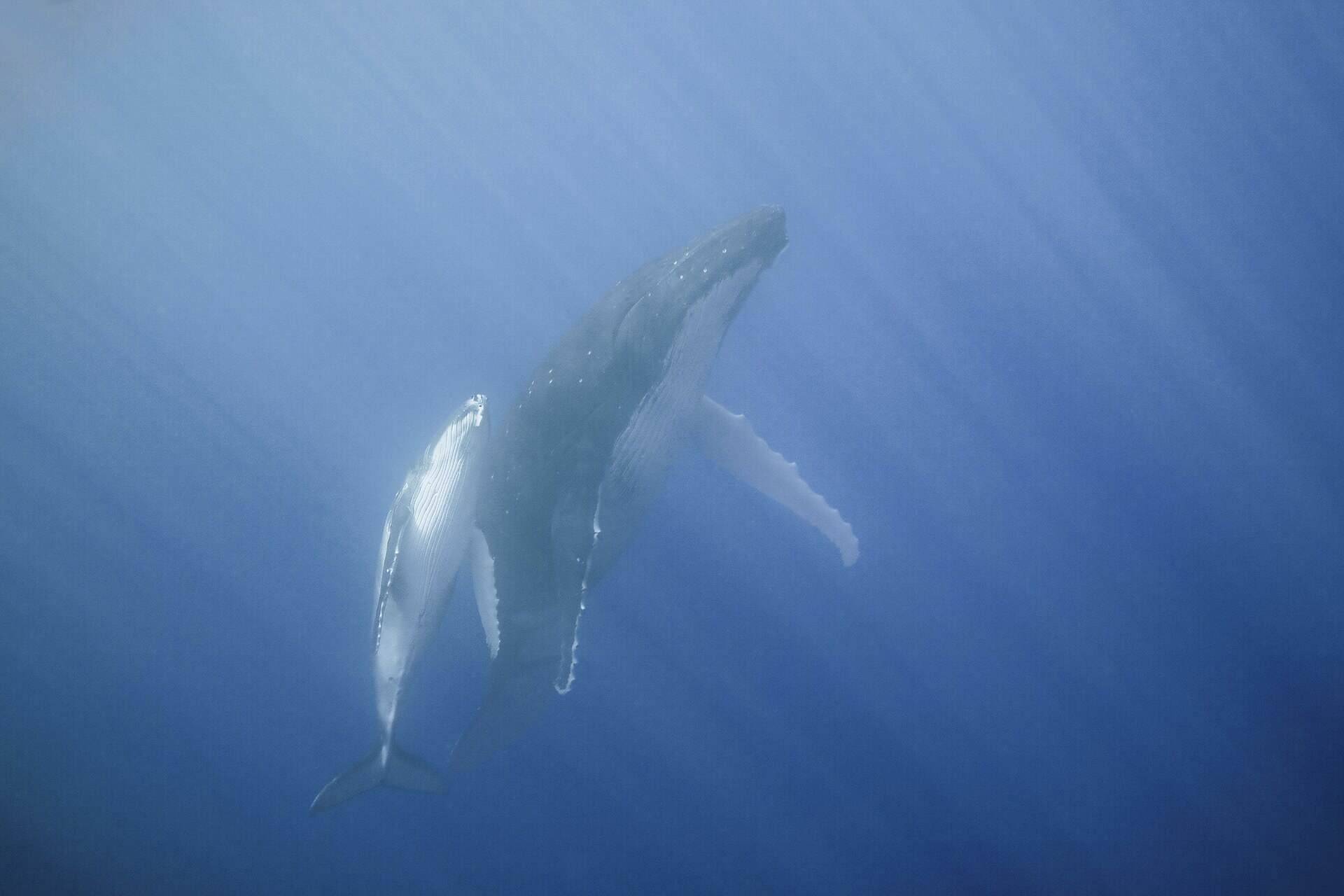
Tonga is the last constitutional kingdom in the Pacific, and in Vava'u that fact is not a museum piece, it shapes the calendar you are sailing or flying into. Sunday is closed by law and custom, kava circles run late into weeknights, and a feast (kai pola) is a genuine social event, not a staged show for tourists. None of this is an obstacle to a good trip. It is the trip, if you adjust your expectations and your watch.
Sunday: the island stops, and so should you
Most shops, market stalls and many tour operators close from Saturday evening through Sunday. Swimming in public view, loud music and non-essential boat traffic in the harbour are discouraged, and some resorts ask guests to keep activity low-key out of respect for neighbouring villages. Church services typically run mid-morning, often starting between 9:00 and 10:00, with singing that carries clearly across the water in Neiafu. Expect almost everything commercial to be shut: plan Saturday provisioning (fuel, food, cash) a day ahead, because ATMs can run short and the one or two fuel outlets may not open. If you are anchored near a village, a quiet Sunday is simply the local rule, not a suggestion.
The kava circle: what it is, how to sit in it
Kava (also called kava kava or, confusingly to outsiders, "grog") is a mildly sedative drink made from pounded root, mixed with water in a large wooden bowl called a tanoa. Men, and increasingly mixed groups in more relaxed settings, sit cross-legged in a circle for hours, talking, singing occasionally, drinking small cupfuls passed hand to hand. A session can run from early evening past midnight. If invited, accept the cup with both hands or one hand on the forearm, clap once before and after drinking (the exact pattern varies slightly by village, watch and follow), and drink it in one go. It tastes earthy and numbs the lips slightly; it is not alcohol and driving a boat afterwards is fine, but it is also not advisable to pound several bowls if you are flying or diving the next morning. Expect to contribute a small amount to the kava fund, usually the equivalent of a few Tongan pa'anga, if you join an impromptu circle on a wharf or in a village hall.
The feast table: kai pola, timing and etiquette
A proper Tongan feast is laid on long tables or woven mats (pola), loaded with roast pork, reef fish, root crops like taro and cassava, and dishes cooked in an umu (earth oven), plus the signature 'ota ika, raw fish marinated in coconut cream and lime. Feasts mark birthdays, church anniversaries, weddings and the installation of chiefs, and some resorts and tour operators arrange a version for visitors, usually priced from roughly 40 to 80 Tongan pa'anga (about USD 17 to 34) per person depending on what is included. If you are a genuine guest at a village feast rather than a paid arrangement, wait to be seated, let elders and hosts start, and eat generously: leaving food untouched can read as a mild insult, though a small amount left on the plate at the very end is normal. A woven mat or tapa cloth gift, if you have one, is appreciated but not expected from a first-time visitor.
Shoulders and knees covered in villages and at church; swimwear stays on the beach or boat, not in town. A sarong or light wrap in your daypack solves most situations in under a minute.
Church, singing and the sound of the islands
Tongan hymn singing, often in four-part harmony without instruments, is one of the more striking things you will hear in Vava'u, and it is audible well beyond the church walls on a still Sunday morning. Visitors are generally welcome to sit at the back of a service if dressed modestly (collared shirt or covered shoulders, below-knee skirts or trousers), but treat it as attending someone else's family occasion: no photography during the service unless explicitly invited, and a modest contribution to the collection plate, a coin or small note, is appropriate if you choose to attend rather than simply listen from outside.
Markets, village life and small courtesies
The Neiafu market is busiest on Friday and Saturday mornings, roughly from 7:00, and thins out fast once Sunday closure approaches. Bargaining is not the norm here; prices for produce, tapa cloth and woven baskets are generally fixed and modest, a few pa'anga for vegetables, more for handicrafts. In villages, a greeting ("malo lelei" covers most situations) before any request goes a long way, and asking before photographing people, especially at church or a feast, is the baseline, not an optional nicety. Children will often wave at passing boats and cars; waving back costs nothing and is read as basic good manners.
When to plan around the culture, not just the weather
If a feast or kava circle is part of why you are here, ask your accommodation or a local operator early in your stay rather than the night before: genuine village invitations are often arranged a day or two ahead, and commercial feast nights at resorts typically run on fixed weekly evenings, commonly Wednesday or Friday, though this varies by season and operator, so check the week's schedule on arrival. The cyclone season (roughly November to April) sometimes shifts or cancels larger community gatherings, and the quieter winter months (June through August) tend to have more scheduled feast nights aimed at visiting yachties and divers.
None of this culture is performed for an audience. The kingdom runs on its own clock, and Vava'u's charm is partly that the Whale Road does not reroute itself for a cruise schedule. Slow down on Sunday, sit properly in the kava circle, eat what is put in front of you at a feast, and the islands open up a layer that a glass-bottom boat never shows you.