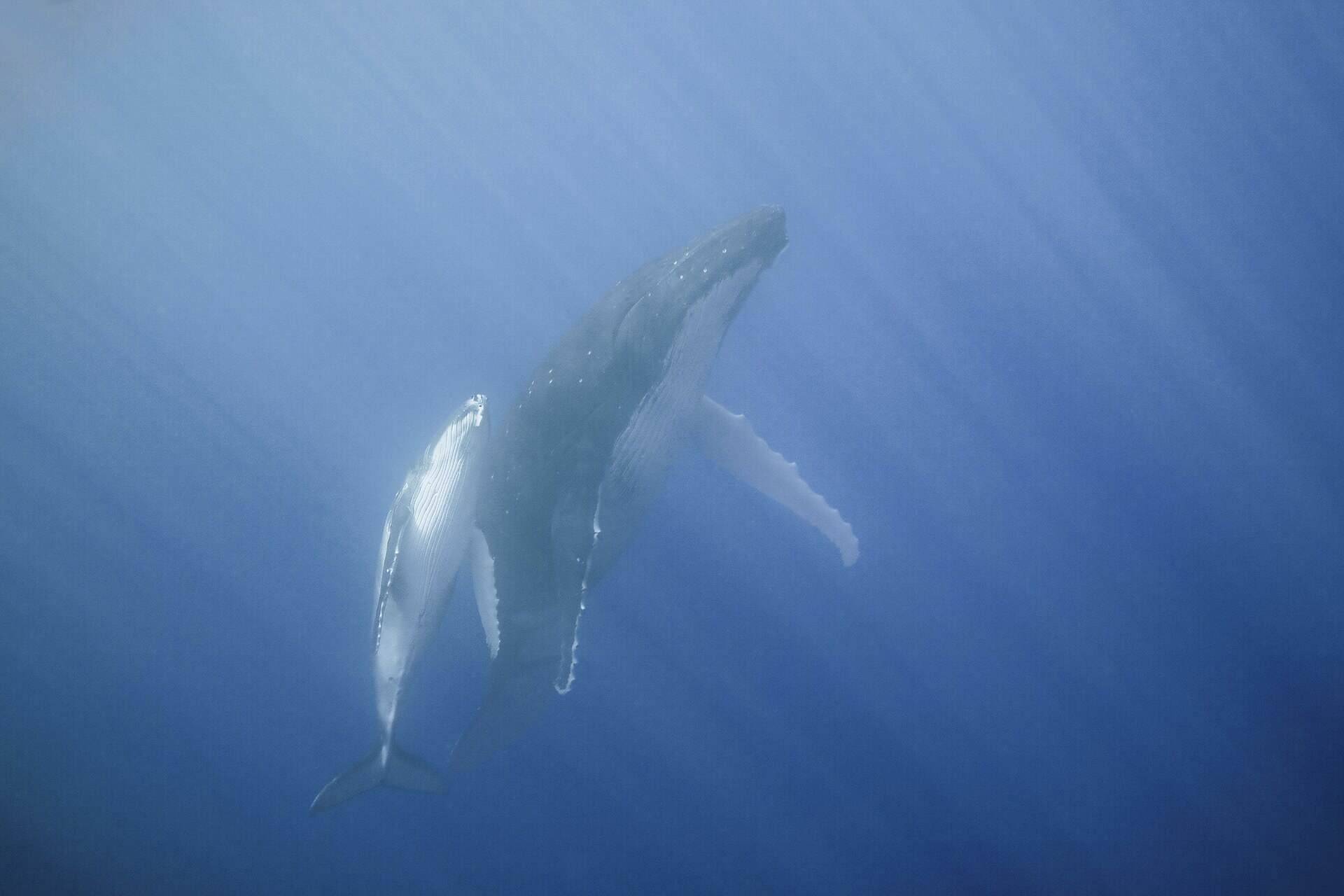
Vava'u's main town sits on the biggest island, but the appeal that brings people back is scattered across the dozens of smaller ones surrounding it. A handful carry a resort, or something close to the word: a few bungalows, a generator, a dock, and a boat that comes and goes on its own schedule rather than yours. Staying out there is not a luxury upgrade on the harbourfront guesthouse, it is a different kind of trip, closer to the reef and further from the pharmacy. The whale is in charge of the calendar either way, but the outer islands make you notice it more, because there is less else to notice.
What "resort" means out here
Expect simple fales or bungalows, often with a shared dining area where meals are served at set times rather than ordered. Power usually comes from a generator run for a few hours in the evening, sometimes supplemented by solar. Hot water is not guaranteed. Mobile signal is patchy to absent on many of the outer islands, and wifi, where it exists, is for messages, not video calls. None of this is a complaint about the properties; it is the physical reality of running a small operation on an island with no grid connection and no road to bring in diesel or supplies except by boat.
Getting there and the transfer question
Almost every outer-island stay includes a boat transfer from the main wharf area, typically 20 to 60 minutes depending on which island, sometimes longer in a slow tide or a stiff southeasterly. Transfers are usually arranged directly with the property once a booking is confirmed, and timing depends on daylight, weather, and how many guests are travelling that day. It is normal to be asked to arrive at a certain jetty by a certain hour rather than being collected on demand. If you are prone to seasickness, ask about the sea state before committing to a longer crossing, and keep in mind that return transfers on your departure day are also weather-dependent: a very rough morning can mean a delayed pickup, which matters if you have an international flight that afternoon.
Bring a headlamp, a dry bag for the boat ride, reef shoes, any medication you need (the outer islands have no pharmacy), and cash in small denominations, since card facilities are unreliable without consistent power.
Meals, water, and the honesty of a small kitchen
Most outer-island places run on a meal plan basis, often including breakfast and dinner, because there is nowhere else to eat and no supermarket next door. Expect fish, root vegetables, and whatever came in on the last supply boat, cooked simply and well rather than extensively. Fresh water is usually rain-caught and tank-stored, so showers tend to be short and guests are asked not to run taps unnecessarily, particularly toward the end of the dry season (roughly May to October) when tanks run lower. This is not an inconvenience to apologise for; it is how the island works, and it is worth mentioning to guests who expect resort-standard water pressure.
Season, whales, and when it is worth the extra effort
The main draw for most visitors booking an outer-island stay between roughly July and October is proximity to whale activity. Being based further from the harbour can mean a shorter run time to known whale areas, which matters on days when conditions are marginal and every extra ten minutes of transit eats into usable daylight for in-water time. Outside whale season, from November through to around June, the appeal shifts toward diving, snorkelling, and simply having a quiet island with a short swim to the reef edge. Prices for outer-island accommodation vary widely by property and standard, but a bungalow with meals included commonly runs from roughly 150 to 400 Tongan pa'anga per person per night at the simpler end, climbing from there for anything with ensuite bathrooms or a more developed dive or whale-swim operation attached.
Booking logistics worth sorting in advance
Outer-island properties tend to have limited rooms, sometimes fewer than ten, so during the July to October peak it is worth confirming availability well before arriving in Tonga rather than hoping to arrange it from the main town. Email response times can be slow if the property relies on a satellite connection checked once a day, so patience and a clear message (dates, number of guests, any dietary needs) helps. Confirm what is included: meal plan, transfer, snorkel gear, and whether activities like whale swims or diving are arranged through the property or need a separate booking with an operator on the main island. Ask explicitly about cancellation terms given weather can affect both your arrival and departure.
Who the outer islands suit, and who they do not
These stays suit travellers who want fewer decisions and more horizon: no restaurant choices, no daily errands, just the reef, the boat schedule, and whatever the water is doing. They suit divers and whale-season visitors who value proximity over polish. They do not suit anyone needing reliable connectivity for work, a varied dining scene, or the flexibility to change plans on a whim, since a single boat transfer a day often sets the rhythm of arrival and departure. For a first visit to Vava'u, many travellers base themselves in town for a night or two before or after an outer-island stretch, which also makes logistics around flights and provisioning considerably simpler.